Named Non-Owner Auto Insurance in California: A Complete Guide
What named non-owner auto insurance is in California
Named non-owner auto insurance California policies fill a coverage gap that standard car insurance cannot address: you need liability protection when driving, but you don't own a vehicle. Whether you lost your license, sold your car, rely on rentals, or borrow a friend's truck a few times a month, this policy keeps you legally covered on California roads without requiring you to own anything.
It is a specialty personal auto product, and most people discover it only when they suddenly need it. Buying it reactively often costs more and leaves you scrambling. Knowing what it is, who it's for, and how it works in California can save you real money and a lot of frustration.
Who actually needs this type of policy
Named non-owner coverage is more common than most people realize. Several situations make it nearly a necessity in California:
- SR-22 filers without a car , California requires an SR-22 filing after certain violations (DUI, reckless driving, excessive points). If your license was suspended and you no longer own a vehicle, you still need an active policy with an SR-22 attached to reinstate your driving privileges. A named non-owner policy with an SR-22 endorsement is often the only way to satisfy that requirement.
- Frequent renters , If you rent cars regularly for business travel or personal trips, the rental counter's insurance is expensive and inconsistent. A named non-owner policy gives you primary liability coverage on rentals so you're not paying $20-$30 per day at the counter.
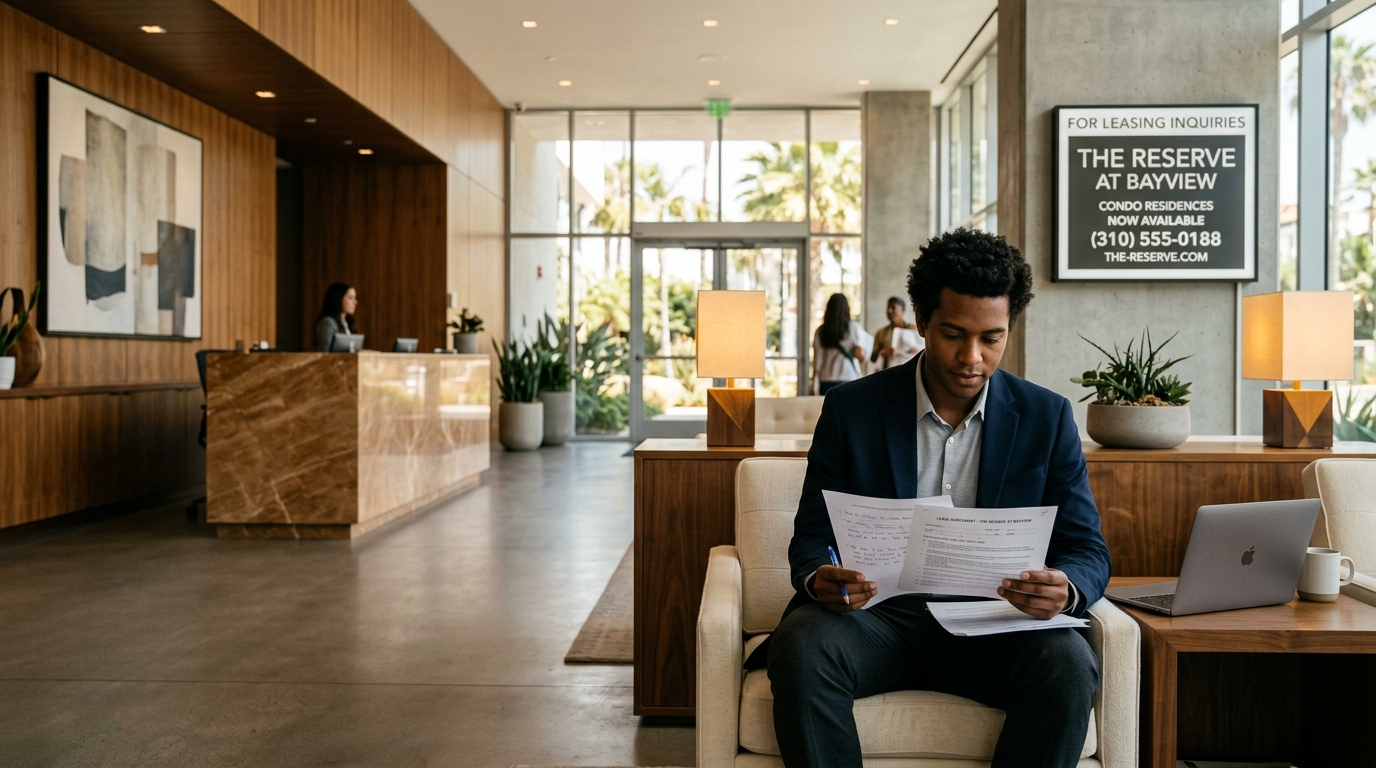
- Car-free city dwellers , Residents of Oakland, Berkeley, Livermore, and other Bay Area cities increasingly go car-free but occasionally borrow a family member's or friend's vehicle. The car owner's policy may cover you as a permissive user, but you're often subject to the owner's deductible and limits. Your own non-owner policy can act as excess coverage.
- People between vehicles , If you sold your car, are waiting on delivery of a new one, or are temporarily without wheels after an accident, a non-owner policy keeps your coverage history continuous. That continuity matters when you go to insure a new vehicle.
- New license holders or reinstated drivers , If you're building or rebuilding a driving record, maintaining continuous coverage (even without a car) signals lower risk to carriers and can reduce your rates when you eventually purchase a vehicle.
What a named non-owner policy covers and what it doesn't
This is where people get tripped up. Non-owner auto insurance is a liability-only policy by design. It covers the damage and injuries you cause to others when you're driving a vehicle you don't own. It does not cover the vehicle itself.
What is typically included
- Bodily injury liability , pays for medical expenses and lost wages of people you injure in an at-fault accident.
- Property damage liability , covers damage you cause to someone else's car, fence, building, or other property.
- Uninsured/underinsured motorist coverage , California law allows you to add UM/UIM to a non-owner policy, which pays your own medical bills if an uninsured driver hits you.
- SR-22 filing , most carriers that write non-owner policies can attach the SR-22 certificate the DMV and courts require.
What is not included
- Collision or comprehensive , the vehicle you borrowed is not yours, so physical damage to it falls under the car owner's insurance, not yours.
- Medical payments (MedPay) , some carriers exclude this on non-owner policies; others offer it as an add-on. Ask specifically.
- Coverage for vehicles you own or regularly use , if you regularly drive a specific car that belongs to a household member or your employer, insurers may exclude or limit coverage. "Regular use" is a defined term and can void a non-owner claim if a carrier determines the vehicle was effectively yours.
California's minimum liability limits are $15,000 per person / $30,000 per accident / $5,000 property damage (the 15/30/5 split). As of January 1, 2025, California's new minimums stepped up to $30,000 per person / $60,000 per accident / $15,000 property damage under SB 1107. You can learn more about how California sets baseline requirements in our guide to California auto insurance minimum requirements. Buying at the floor is rarely enough. Medical bills and vehicle repair costs in the Bay Area routinely exceed those thresholds, and you're personally responsible for anything above your policy limits.
How much named non-owner auto insurance costs in California
Cost depends on your driving record, your age, your ZIP code, and the coverage limits you choose. Non-owner policies are almost always cheaper than a standard personal auto policy because there's no vehicle to insure.
Rough ballpark figures for California:
- Clean driving record, no SR-22 , $200 to $500 per year for standard liability limits.
- SR-22 required, single violation , $400 to $900 per year. The SR-22 filing itself often costs $15-$25, but the underlying violation is what raises the premium.
- DUI or multiple violations , $800 to $1,800 per year or more. California carriers treat DUI as a high-risk factor for three to seven years depending on the specific circumstances.
The Bay Area, including Fremont, Hayward, and Pleasanton, tends to run slightly above state averages because of traffic density and claim frequency. Rural parts of the state are cheaper. An independent agent can shop multiple carriers at once to find the most competitive rate for your specific history and ZIP code, which matters when your record isn't clean.
One thing that genuinely pays off: maintaining continuous coverage . Even a 30-day lapse can increase your rate on the next policy by 10-20%. If you're between cars and considering going uninsured for a few months, the math rarely works in your favor once you factor in the premium increase you'll pay later.
Named non-owner vs. SR-22 insurance: understanding the difference
People often use these terms interchangeably, but they describe different things. An SR-22 is not insurance. It's a certificate your insurer files with the California DMV confirming that you carry at least the state minimum liability coverage. The insurance policy is what pays claims; the SR-22 is the proof of that policy submitted electronically to the state.
A named non-owner policy can be the policy that carries the SR-22 certificate. If you need an SR-22 and don't own a car, you get a non-owner policy and ask the carrier to attach the SR-22 filing. Not every carrier writes non-owner SR-22 policies in California, which is part of why working with an independent agent who can search across multiple carriers is useful rather than calling one company directly.
Our detailed SR-22 insurance California guide covers the filing process, how long you're required to maintain it, and what happens if it lapses. If an SR-22 is part of your situation, reading that post alongside this one will give you the full picture.
How to buy a named non-owner policy in California
The process is straightforward, but a few details trip people up:
Gather the right information first
You'll need your driver's license number (even if suspended, as long as it exists in the DMV system), your driving history for the past three to five years, and the reason you need coverage (SR-22 requirement, frequent rental use, etc.). If an SR-22 is required, know the exact court or DMV case number and the date by which the filing must be in place.
Compare carriers, not just prices
Not all carriers write non-owner policies in California, and not all of those that do will write them with an SR-22 attached. Price matters, but so does the carrier's financial strength rating (A.M. Best A- or better is a reasonable threshold) and how quickly they file the SR-22 electronically with the DMV. A carrier that takes a week to file when you needed it in 48 hours can delay license reinstatement.
Watch for coverage gaps
Read the policy's "regular use" exclusion carefully. If you borrow the same car every weekend from a parent or sibling, some carriers will argue that vehicle is in your "regular use" and deny a claim. In that situation, the car owner may need to add you to their policy instead of, or in addition to, your non-owner policy.
Consider higher limits
The new California minimums ($30,000/$60,000/$15,000) are a starting point, not a finish line. A moderate rear-end accident in the Bay Area can generate medical bills that exceed those limits quickly. Bumping to $100,000/$300,000 bodily injury and $50,000 property damage often costs only $50-$100 more per year and protects your wages and savings if you're sued. Our post on lowering your auto insurance premium in California has practical tips for keeping the cost manageable even when you choose higher limits.
Common questions about named non-owner policies
Does a non-owner policy cover me when I drive a rental car?
Generally yes, for liability. If you cause an accident in a rental, your non-owner policy's liability coverage applies. It does not cover the rental vehicle itself (collision damage waiver from the rental company covers that). Some credit cards also provide collision coverage on rentals, so check your card's benefits before paying at the counter.
What if I borrow a car and cause an accident?
The car owner's policy is primary. Your non-owner policy acts as excess or secondary coverage. This matters if the accident is serious and the car owner's limits are not sufficient to cover all the damage. Your non-owner policy then applies above those limits, up to your own policy maximum.
Can I add a non-owner policy to my current household policy?
No. Non-owner policies are standalone policies for people who don't have access to a vehicle covered by a household policy. If you live with someone who owns a car, insurers expect you to be listed on their policy as a driver, not on a separate non-owner policy.
Will a non-owner policy help me when I buy a car later?
Yes, in two ways. Continuous coverage history demonstrates lower risk to carriers and typically earns you a lower rate on a standard auto policy. Also, if you maintained an SR-22 throughout a required period, your record at the DMV reflects that and avoids additional license reinstatement complications when you register a new vehicle.
How quickly can a policy take effect?
Same-day coverage is common for non-owner policies. Once payment is confirmed, many carriers issue the policy immediately and can file the SR-22 electronically with the California DMV within one to two business days, sometimes the same day.
Get the right coverage from a local independent agent
Working with an agent who knows the carriers that actually write non-owner policies, understands the SR-22 filing requirements, and can compare rates across multiple companies makes the process considerably easier than calling a single carrier directly.
Charles Katz Insurance is an independent insurance agency serving the East Bay and surrounding communities including Livermore, Pleasanton, Fremont, Hayward, San Ramon, and Berkeley. The agency works with multiple carriers to find coverage that fits your situation and budget, whether you need a simple non-owner liability policy or a non-owner SR-22 filing on a tight timeline.
Call 925-484-5900 or visit the Charles Katz Insurance contact page to get a quote. You can also learn more about the full range of personal auto options, including the named non-owner auto coverage Charles Katz Insurance offers, directly on the site.
Get A Quote
At Charles Katz Insurance, securing your future is easy. Ready to protect what matters? Contact us for a quick quote and personalized insurance options!
Kelly
Speak to Kelly 24/7
Microphone ready
Start your custom insurance quote
Instant answers to your insurance questions
Schedule appointments or follow-ups
Personal Insurance
From auto and homeowners to renters and umbrella policies, we help protect your family and property. Let’s find coverage that fits your life.
Commercial Insurance
We customize policies for your industry's risks, like general liability and workers' comp, ensuring you can run your business worry-free.
Contact Charles Katz Insurance
Recent Posts