SR-22 Insurance in California: Requirements, Costs and How It Works
What SR-22 insurance in California actually is
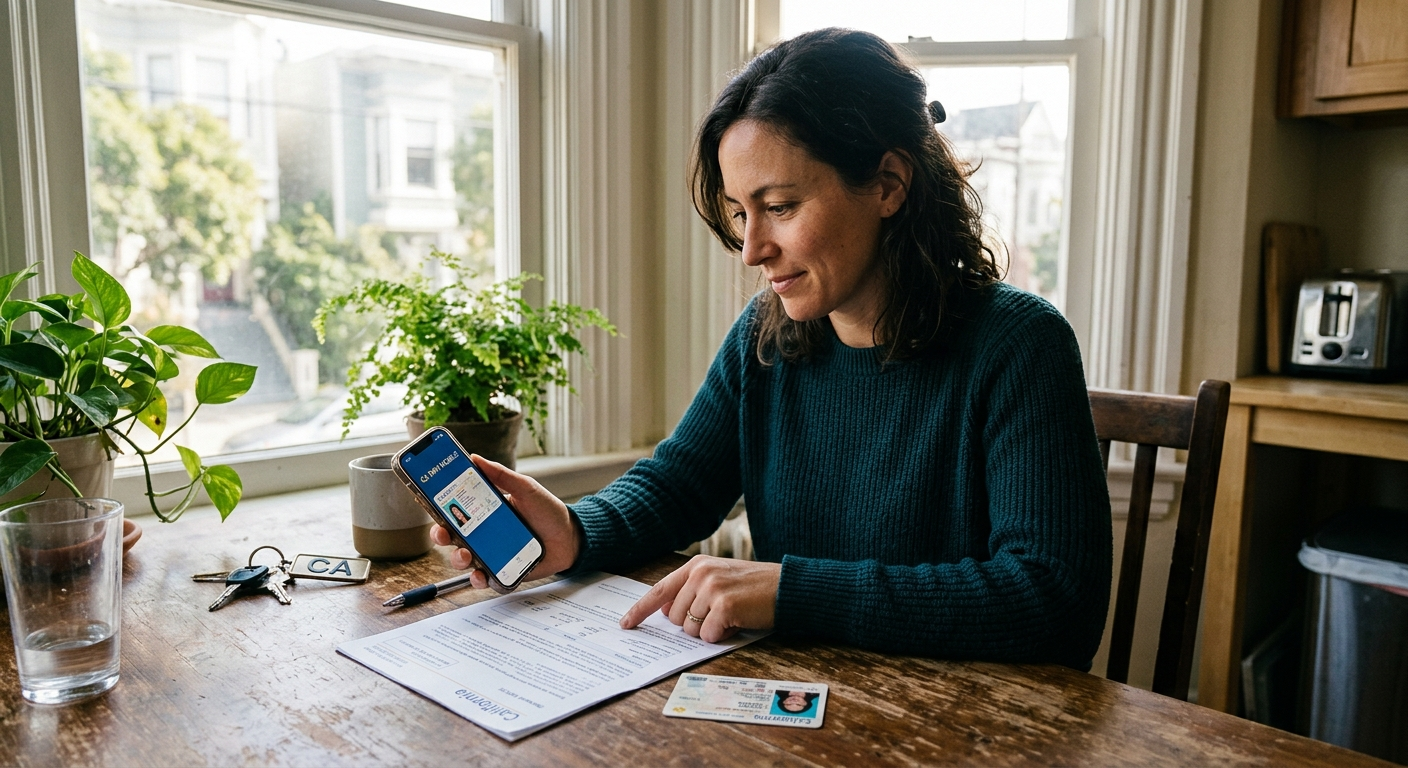
SR-22 insurance in California is one of those terms that sounds more complicated than it is. If you've recently had a DUI, driven uninsured, or had your license suspended, the DMV may require you to file an SR-22 before you can get back on the road legally. The plain-language version: an SR-22 is not a separate insurance policy. It's a certificate your insurance company files with the California DMV on your behalf, confirming that you carry at least the state's minimum required liability coverage.
The form takes its name from the California Department of Motor Vehicles' filing system. When your insurer submits it electronically, the DMV updates your driving record to reflect that you're in compliance. If your policy lapses or gets canceled for any reason, your insurer is required to notify the DMV immediately, and your license suspension kicks back in automatically.
Who needs an SR-22 in California
Not everyone who gets a ticket will need one. The DMV typically requires an SR-22 filing after specific events that signal elevated risk to other drivers. The most common situations include:
- DUI or DWI conviction: A first-time DUI in California almost always triggers an SR-22 requirement, and the filing period can last three years or longer depending on the circumstances.
- Driving without insurance: If you were caught behind the wheel without valid coverage, California law requires proof of future financial responsibility before reinstating your license.
- At-fault accident without insurance: This combination is treated especially seriously and can extend the filing period.
- Multiple or excessive traffic violations: Accumulating too many points on your record within a short window can result in a negligent operator designation and an SR-22 requirement.
- License reinstatement after suspension or revocation: Regardless of the reason for the suspension, reinstatement often requires proof of financial responsibility via the SR-22.
- Reckless driving conviction: Reckless driving charges carry serious weight with California courts and the DMV.
If you're unsure whether you need one, the DMV suspension or reinstatement notice you received will spell it out. Your attorney or the court handling your case can also confirm the requirement.
How the SR-22 filing process works
The process is more straightforward than most people expect.
Contact your insurer first. Tell your current auto insurance company you need an SR-22 filed. Many standard carriers will do it for a one-time filing fee, typically between $15 and $50 . Some insurers, however, will drop you as a customer once they learn about the triggering event, particularly a DUI. That's when finding a new carrier becomes the next step.
Your insurer files electronically with the DMV. California accepts electronic SR-22 filings, so in most cases the DMV updates its records within a few business days. You don't have to physically mail anything to Sacramento.
Maintain the policy continuously. This is where people run into the most trouble. If your policy cancels, even for a missed payment, your insurer notifies the DMV and your license gets suspended again. You have to keep coverage active for the entire required filing period without a single gap.
There's also a variant called an SR-22 for non-owners . If you don't own a vehicle but still need to drive occasionally, a named non-owner auto policy with an SR-22 filing attached covers you when you borrow or rent a car. It's usually the least expensive option for people in this situation.
How long you'll need the SR-22 in California
California law typically requires the SR-22 filing to stay active for three years from the date of reinstatement, though the exact period depends on the offense. A first DUI is generally three years. Certain serious violations or repeat offenses can push the requirement to five years or longer. The clock also resets if your policy lapses, so a single missed payment can restart the three-year period from scratch.
Keep a calendar reminder set well before your requirement ends. Once the filing period is up, you can ask your insurer to remove the SR-22 from your policy. At that point, you may be able to shop for a lower rate with a standard carrier again, especially if you've kept a clean record in the intervening years.
What SR-22 insurance costs in California
The filing fee itself is modest. The real cost comes from what the triggering offense does to your auto insurance premium. Insurers treat SR-22 drivers as higher risk, and that gets priced into your rate.
Here's a realistic picture of what drivers in the East Bay and Tri-Valley area can expect:
- SR-22 filing fee: One-time charge of roughly $15 to $50 , paid to your insurer when they file the form.
- Premium increase after a DUI: California drivers with a DUI on record can see their annual premium rise by 80% to 150% or more compared to their pre-DUI rate. On a policy that was running $1,200 a year, that could mean $2,160 to $3,000 annually.
- Premium increase after driving uninsured: Generally less severe than a DUI surcharge, but still meaningful. Expect increases of 20% to 40% with some carriers.
- Non-owner SR-22 policy: Often the cheapest route, with annual premiums sometimes falling in the $300 to $800 range depending on the violation and your driving history.
The wide range in these numbers reflects how differently insurers weigh risk. One carrier might surcharge a DUI at 100%, another at 150%. Shopping multiple carriers matters a great deal for SR-22 situations. For more on what drives your California auto insurance premium, see our post on ways to lower your auto insurance premium in California.
It's also worth knowing that California is one of the states where insurers cannot use your credit score to set auto insurance rates. Your premium will depend on your driving record, vehicle, mileage, and coverage choices. That's a small piece of good news in an otherwise expensive situation.
Common mistakes that make the SR-22 period harder
The three years following an SR-22 requirement can go smoothly if you stay organized. A few avoidable missteps tend to turn a manageable situation into a longer, more expensive one:
- Letting the policy lapse: Even one day without coverage triggers a notification to the DMV and restarts your filing period. Set up automatic payments or calendar reminders well ahead of your renewal date.
- Switching insurers without overlapping coverage: If you find a better rate and want to change companies, make sure your new SR-22 policy is active before you cancel the old one. There should be no gap, even for a day.
- Forgetting to remove the SR-22 when the period ends: Some drivers forget to follow up at the end of their required period and keep paying the higher SR-22 rate longer than necessary. Track the end date and ask your insurer to remove the filing when it's done.
- Not comparing rates: After the triggering offense, many drivers just stick with whoever will take them. SR-22 rates vary significantly between carriers, and shopping the market can save hundreds of dollars a year. Our guide on how to compare car insurance quotes in California walks through the process step by step.
- Buying minimum coverage when more protection makes sense: SR-22 only requires California's minimum liability limits: $15,000 per person / $30,000 per accident / $5,000 property damage as of current law. Those limits are low. If you cause an accident, you could be personally on the hook for damages beyond those limits. Talk through whether higher limits or uninsured motorist coverage make sense for your situation.
SR-22 insurance in the Tri-Valley and East Bay
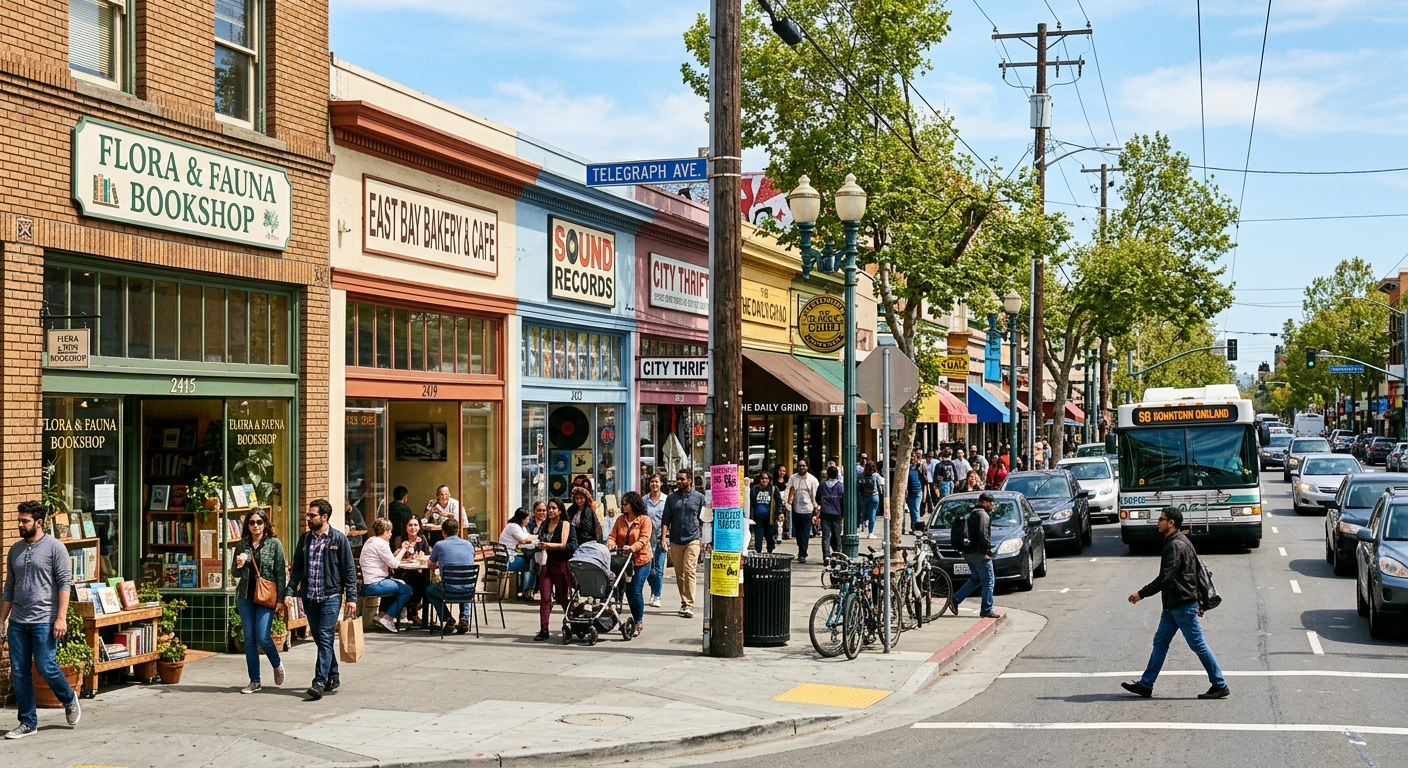
If you're based in Livermore, Pleasanton, Dublin, San Ramon, Hayward, or anywhere in Alameda or Contra Costa County, the SR-22 requirement works exactly the same as anywhere else in California. What can differ is the pool of carriers willing to write your policy at a competitive rate in your specific ZIP code. Urban and suburban Bay Area ZIP codes sometimes see tighter carrier availability for high-risk drivers because of the overall claims environment in the region.
That's one reason working with a local independent agency is useful in this situation. An independent agent has access to multiple carriers, including non-standard and specialty markets that work specifically with drivers who need SR-22 filings. Rather than being stuck with a single insurer's take-it-or-leave-it rate, you get actual options. For a breakdown of auto insurance coverage considerations in this region, take a look at our guide to auto insurance in Livermore.
Get help with your SR-22 filing in California
Dealing with an SR-22 requirement is stressful enough on its own. You don't need to sort out the carrier options alone. Charles Katz Insurance is an independent agency serving drivers across the East Bay and Tri-Valley, and our team shops multiple carriers to find you coverage that meets the DMV's requirements at a rate that makes sense for your budget.
We handle the SR-22 filing paperwork, keep you informed about your filing period, and check back in when you're eligible to move to a standard policy again. You can reach us at 925-484-5900 or visit our contact page to get started. You can also learn more about your coverage options on our SR-22 insurance page.
Get A Quote
At Charles Katz Insurance, securing your future is easy. Ready to protect what matters? Contact us for a quick quote and personalized insurance options!
Kelly
Speak to Kelly 24/7
Microphone ready
Start your custom insurance quote
Instant answers to your insurance questions
Schedule appointments or follow-ups
Personal Insurance
From auto and homeowners to renters and umbrella policies, we help protect your family and property. Let’s find coverage that fits your life.
Commercial Insurance
We customize policies for your industry's risks, like general liability and workers' comp, ensuring you can run your business worry-free.
Contact Charles Katz Insurance
Recent Posts