Business Insurance in the East Bay: What California Owners Need
Business insurance in the East Bay: what California owners need to know
If you've searched for business insurance near me in California and found yourself overwhelmed by options, you're not alone. East Bay business owners from Berkeley to Livermore are navigating a market that has gotten genuinely complicated over the past few years. Carriers have pulled back. Premiums have climbed. And the coverage gaps that used to be minor footnotes can now cost a business its entire future. This post breaks down what types of coverage matter most, what California law actually requires, and how to build a policy package that fits the way your business operates.
Why East Bay businesses face unique insurance challenges
The East Bay is not a monolith. A restaurant in Hayward has different exposures than a tech startup in San Ramon, and a contractor working in the Oakland Hills faces wildfire-related risks that a warehousing operation in Fremont simply doesn't. But there are a few pressure points that affect almost every business owner in this region right now.
Wildfire exposure has made commercial property harder to place. Insurers are applying stricter underwriting to anything east of the hills, and some are non-renewing policies altogether. California's labor laws and wage-and-hour regulations create above-average employment practices liability risk. The Bay Area's dense, litigious environment also means a slip-and-fall or a contract dispute can escalate quickly into a six-figure claim. Building your coverage around those realities is just good business.
The core policies most East Bay businesses need
General liability
General liability insurance is the foundation of any business insurance program. It covers third-party bodily injury, property damage, and personal and advertising injury claims. In California, many commercial leases require tenants to carry at least $1 million per occurrence and $2 million aggregate . Even if your lease doesn't require it, operating without it is a significant exposure. One customer injury or one allegation of property damage can produce legal defense costs alone that reach tens of thousands of dollars before a verdict is ever reached. You can learn more about how this coverage works on the general liability insurance page.
Commercial property
Whether you own your building or lease your space, commercial property insurance protects your physical assets: equipment, inventory, furniture, and improvements you've made to the space. In the East Bay, that also means thinking carefully about wildfire and smoke damage, and whether your policy pays replacement cost or only actual cash value. Replacement cost pays to rebuild or replace at today's prices. Actual cash value subtracts depreciation, which can leave a serious shortfall when you actually need to file a claim.
One thing East Bay business owners often overlook: if you've invested in tenant improvements, those upgrades may not be covered under your landlord's policy. Commercial tenant improvements coverage fills that gap specifically.
Business owners policy (BOP)
For small to midsize businesses, a Business Owners Policy bundles general liability and commercial property into a single package, typically at a lower combined premium than buying each separately. Many BOPs also include business interruption coverage, which pays for lost income and fixed expenses if a covered event forces you to close temporarily. In a region where wildfires, power shutoffs, and earthquake activity are real possibilities, that income protection component is worth examining closely.
Not every business qualifies for a BOP. Insurers look at your industry, your revenue, and the square footage of your space. If you're in a higher-risk class like food service, auto repair, or construction, you may need a more customized package. For a closer look at how BOPs are structured in California, the California BOP guide covers eligibility, limits, and common add-ons.
Workers' compensation
California law is clear: if you have even one employee , you are required to carry workers' compensation insurance. This applies to full-time, part-time, and in many cases seasonal workers. The penalties for going without it include fines, stop-work orders, and personal liability for an injured worker's medical care and lost wages.
For East Bay employers, workers' comp premiums are calculated using class codes that reflect the actual work your employees do. A clerical worker and a roofer carry very different risk profiles, and misclassifying employees to lower your premium is an audit trigger with real financial consequences. Getting the class codes right from the start protects you at renewal and after a claim.
Commercial auto
Personal auto policies do not cover vehicles used for business purposes. If your employees drive company vehicles, make deliveries, or use their personal cars to run business errands, you need commercial auto coverage. California requires minimum liability limits for commercial vehicles, but those minimums rarely reflect what a serious accident actually costs. Many East Bay businesses carry limits of at least $500,000 per occurrence for owned commercial vehicles.
If employees use their own cars for work tasks, hired and non-owned auto coverage fills the gap between their personal policy and your business liability.
California-specific requirements and exposures worth knowing
Earthquake risk in the East Bay
The Hayward Fault runs directly through the East Bay. The U.S. Geological Survey has consistently identified it as one of the most likely faults in the country to produce a major earthquake in the coming decades. Standard commercial property policies exclude earthquake damage entirely. A separate earthquake endorsement or standalone policy is the only way to cover that exposure. The cost varies significantly based on construction type, soil conditions, and proximity to known fault lines, but going without coverage here is a meaningful bet against the geology of the region you're operating in.
Wildfire and smoke damage
Even businesses that aren't in a high-fire-hazard severity zone can take significant smoke damage from fires burning in the hills or further east toward the Diablo Range. Smoke damage to inventory, HVAC systems, and equipment can be expensive, and the claims process is more complicated than most owners expect. If your business relies on a physical space, reviewing your commercial property policy's wildfire and smoke provisions before you need them is time well spent. The post on business interruption and wildfire in California covers what happens when a fire forces you to close, even temporarily.
Cyber liability for East Bay businesses
The Bay Area has a higher-than-average concentration of businesses that handle sensitive customer data, whether that's a medical office in Pleasanton, an e-commerce retailer in Fremont, or a law firm in Walnut Creek. California's Consumer Privacy Act (CCPA) creates real legal exposure if you experience a data breach and fail to notify affected individuals properly. Cyber liability insurance covers notification costs, credit monitoring services, regulatory defense, and business income lost during a cyber event. It's no longer just a tech company issue.
Professional liability (errors and omissions)
If your business provides advice, consulting, design, accounting, legal, or any other professional service, general liability alone doesn't protect you from a client who claims your work caused them financial harm. Professional liability insurance (also called errors and omissions, or E&O) is the policy that responds to those claims. In California, some professions are required by contract or licensure to carry it. Even where it's not required, any service-based business with paying clients is exposed without it.
How to compare business insurance options in California
Shopping for commercial coverage is more nuanced than shopping for personal auto or homeowners insurance. A few things to keep in mind when evaluating quotes:
- Named perils vs. open perils: Named-perils policies only cover causes of loss specifically listed. Open-perils (or "special form") policies cover everything that isn't explicitly excluded, which is typically broader protection.
- Per-occurrence vs. aggregate limits: The per-occurrence limit is the most an insurer will pay for a single claim. The aggregate is the total for all claims in a policy period. For active businesses, both numbers matter.
- Exclusions: Two policies with the same headline limits can have very different exclusions. Mold, water backup, equipment breakdown, and employee dishonesty are common exclusions that add up in the real world.
- Carrier financial strength: A carrier's A.M. Best rating reflects its ability to pay claims. In a market where some carriers are exiting California, working with a financially stable insurer matters more than it used to.
- Independent vs. captive agents: An independent agent can shop your coverage across multiple carriers and find the combination that fits your risk profile and budget. A captive agent can only offer one carrier's products. For a business with more than one or two exposures, an independent agent often produces better outcomes. The post on what an independent insurance agent actually does explains that difference in more detail.
Common coverage gaps that East Bay business owners miss
Even businesses that think they're adequately covered often have gaps that only surface at claim time. A few of the most common ones:
- Business interruption sublimits: Many BOP policies include business interruption, but with a waiting period (often 72 hours) and a sublimit that's lower than the owner expects. If your monthly fixed costs are $20,000 and your business interruption limit is $50,000 , a two-month closure could leave you short.
- Equipment breakdown: A standard commercial property policy covers damage from fire or theft, but not mechanical breakdown of boilers, HVAC systems, refrigeration, or manufacturing equipment. Equipment breakdown coverage is a separate endorsement, and for many businesses it's more relevant than the catastrophic perils that tend to get more attention.
- Employee theft and dishonesty: Crime coverage is not standard in most property policies. If an employee steals from you, a standard commercial policy won't respond. A crime coverage endorsement addresses that specifically.
- Hired and non-owned auto: If any employee ever drives their personal car for a business errand, your business can be held liable for an accident, and your commercial auto policy won't respond without this endorsement.
- Flood: Commercial property policies exclude flood damage. For businesses near the Bay, near creeks, or in low-lying industrial areas, commercial flood coverage through the NFIP or a private carrier is a real consideration.
Work with a local independent agency that knows your market
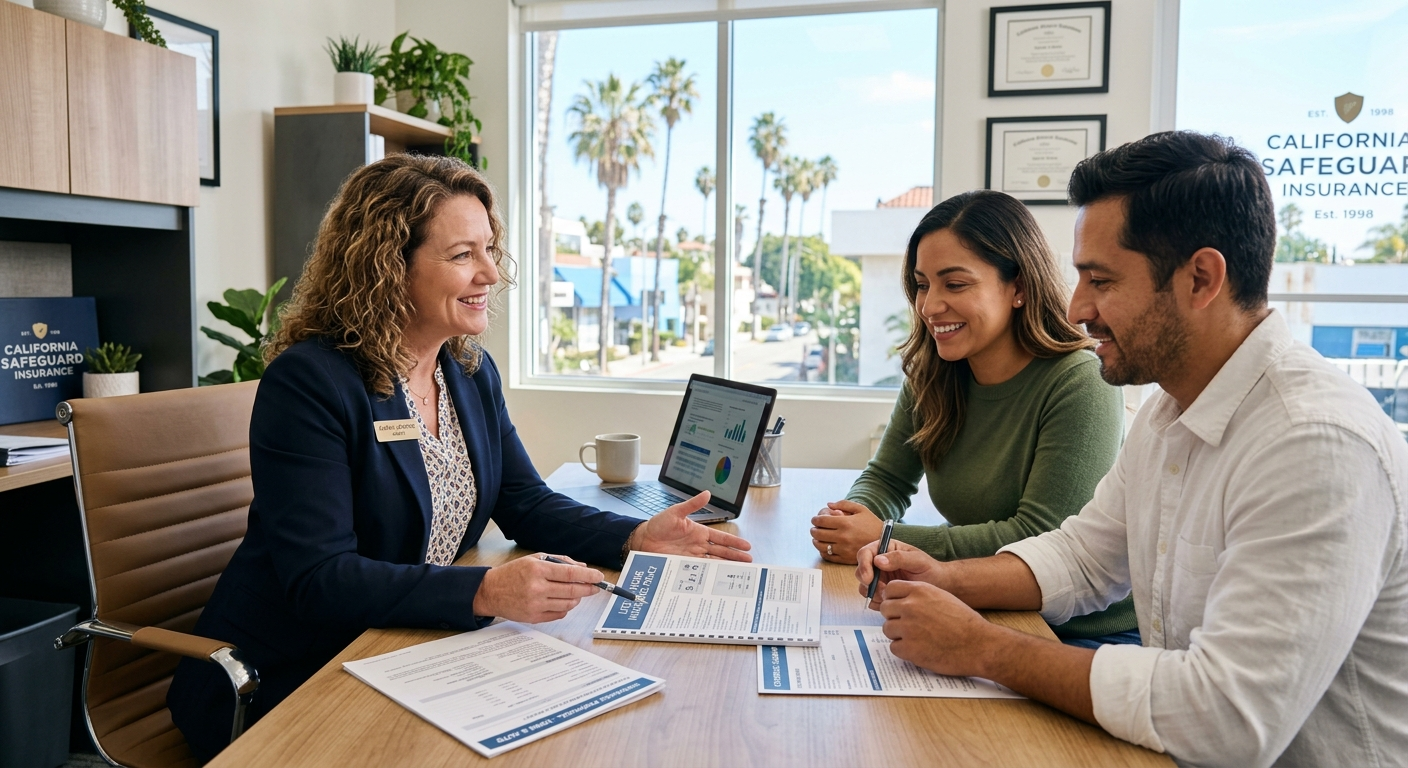
Charles Katz Insurance is an independent insurance agency serving businesses throughout the East Bay, including Berkeley, Fremont, Hayward, Livermore, Pleasanton, San Leandro, and San Ramon. As an independent agency, we compare coverage and pricing across multiple carriers to find the combination that actually fits your business, not just what a single carrier happens to offer.
Whether you're a contractor, a retailer, a professional services firm, or a restaurant owner, the right business insurance program starts with understanding how your business actually operates and where the real exposures are. We do that work with you, not for you, so you understand what you're buying and why.
Ready to compare your options? Contact Charles Katz Insurance to get started, or call us directly at 925-484-5900 . You can also visit our commercial insurance overview to see the full range of coverages we work with. We're here to help East Bay business owners make confident decisions about their coverage, not push policies that don't fit.
Get A Quote
At Charles Katz Insurance, securing your future is easy. Ready to protect what matters? Contact us for a quick quote and personalized insurance options!
Kelly
Speak to Kelly 24/7
Microphone ready
Start your custom insurance quote
Instant answers to your insurance questions
Schedule appointments or follow-ups
Personal Insurance
From auto and homeowners to renters and umbrella policies, we help protect your family and property. Let’s find coverage that fits your life.
Commercial Insurance
We customize policies for your industry's risks, like general liability and workers' comp, ensuring you can run your business worry-free.
Contact Charles Katz Insurance
Recent Posts